Vielen Dank für Ihren Besuch auf unserer Webseite. Wir sind eine Studentenkoalition, die sich darauf spezialisiert hat, Kosmetika und Supplements zu kontrollieren, zu prüfen und rechtlich zu interpretieren. EU-Gesetze und nationale Gesetze unterliegen selten strengen Prüfungen, so dass diese in den wenigsten Fällen eingehalten werden. Als Youth Lawyers wollen wir unsere Arbeit darauf richten, diesen Sektor anhand von Fällen aus der Vergangenheit, aber auch mit dem aktuell anwendbaren Gesetz und einer nachvollziehbaren Interpretation dieses Gesetzes genau zu analysieren.
Auf unserer Kontaktseite können Sie uns gerne Ihre Meinungen, Interpretationen und verwandte Fälle zukommen lassen. Auch können Sie uns gerne die Namen von Produkten oder anderen Gütern nennen, bei denen Sie sich eine genauere juristische Prüfung wünschen.
Aktuelle Prüfungen
Analyse und Recherche, ob ein Wimpernserum auch für einen Bart wirken kann
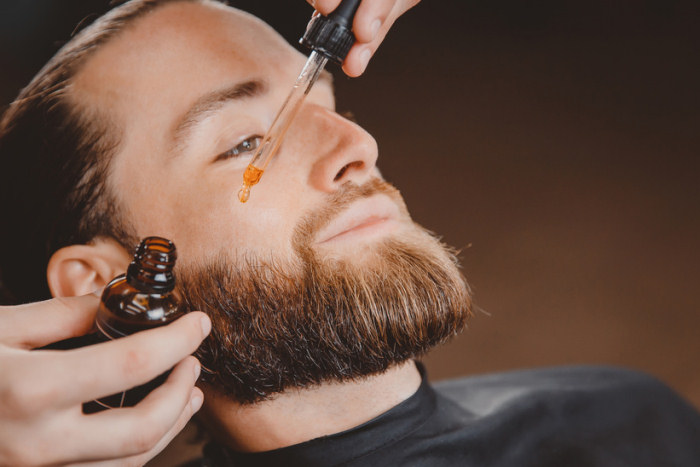 Bartschmuck liegt absolut im Trend; in manch innovativer Clique mit derartigem Trend zum Gruppenzwang, dass sich smarte Jungunternehmer schon aus taktischen Gründen nicht mit glattrasiertem Kinn erwischen lassen. Nur: Der Bart muss zum Style passen, dünne Haarpartien und Löcher sind ein No-Go, das entschlossen angegangen werden sollte. Und entschlossen angegangen wird, die üblichen Bartwuchsmittel bringen allerdings nicht immer die gewünschten Erfolge. Deshalb wird nachfolgend gründlich analysiert, ob Wimpernseren mit Prostaglandin-Wirkstoffen eventuell auch spärlichen Männerbärten neue Hoffnungsschimmer schenken können:
Wimpernseren für Männer?
Wimpernseren sind recht neu auf dem Kosmetikmarkt, heftig begehrt und ebenso heftig beworben. Nach Berichten einiger Hersteller vollbringen die geheimnisvollen Seren wahre Wunder: Aus ein paar spärlichen kurzen Härchen rund ums Auge werden in wenigen Wochen lange dichte dunkle Wimpernkränze. Schönheits-Blogs, Frauenzeitschriften und Kosmetik-Ratgeber überschlagen sich vor Begeisterung über die verblüffende Wirkung; Wimpernseren sind aber auch in garantiert nicht von der Kosmetik-Industrie bezahlten Wikipedias, Nachrichten-Magazinen und Fachzeitschriften diverser Sparten omnipräsent.
Ein solcher Hype um ein neues Produkt entgeht auch auf der maskulinen Seite der Welt nur Einsiedlern; da im Zusammenhang mit den Wimpernseren auch noch regelmäßig das Schlagwort „wachstumsfördernd“ auftaucht, soll der Wirkstoff sogar schon in manchem Kraftraum diskutiert worden sein. Wenn klar bzw. im männlichen Gehirn angekommen ist, dass sich „wachstumsfördernd“ auf Haare bezieht, machen sich smarte Jungmänner mit haarigem Optimierungspotenzial Gedanken – wenn die Bartlücken wirklich groß und störend sind, bis hin zu Selbstversuch und Empfehlung:
So empfiehlt ein (recht bärtiger) Journalist in der GQ [Gentlemen’s Quarterly, https://www.gq.com/story/miracle-hair-growth-product-for-mustaches] nach kurzer, wenig Hoffnung versprechender Erwähnung des ‚düsteren, traurigen Wachstumsmarktes‘ für Männerhaare die Urmutter aller Wimpernseren namens Latisse – für Männer, für den Bartwuchs. Er beruft sich auf die ‚enthusiastische Rezension‘ eines enttäuschten Regaine-Anwenders (Regaine: Haarwuchsmittel mit dem Wirkstoff Minoxidil), der mit Latisse seinen Haaransatz pflegte und dabei wohl zumindest in puncto Haardicke erfolgreich war.
Für den Journalisten mit Sehnsucht nach Tom-Selleck-Schnurrbart war das ein Durchbruch: Schnell sind die wenigen Studien recherchiert, nach denen Latisse die Haardichte auf dem Kopf zunehmen lassen kann; bald spricht er von unerschrockenen Kerlen, die sich Latisse (mit gemischten bis positiven Ergebnissen) in den Bart geschmiert haben. Da Latisse teuer und schwer zu bekommen sei, könne man auch auf Seren mit anderen Prostaglandin-Analoga zurückgreifen, der Markt explodiere gerade vor neuen Produkten zur Verbesserung der Wimpern (des „Wimpernwachstums“ dürfe man nicht sagen, weil die Produkte keine entsprechende Zulassung haben). Für seinen Selbstversuch wählt der Journalisten dann allerdings Lashfood Eyelash Enhancer mit dem Wurzelextrakt weißer Pfingstrosen als aufregendstem Inhaltsstoff; weiter unten kommen wir zu den Gründen dieser Zurückhaltung. An dieser Stelle sei auch erwähnt, dass sich ebenfalls Drogeriemärkte wie dm in den Kampf um die Wimpernserum-Vormacht eingeklingt haben. Dort ist beispielsweise das LashCocaine Wimpernserum von Svenja Walberg seit Kurzem verfügbar. Eine genaue Aufschlüsselung der Inhaltsstoffe und eine Analyse des Produkts findet man auf Offenerbrief. Auf gleicher Webseite wird beispielsweise auch eine Warnung vor der Nutzung von Produkten aus unbekannter Herkunft ausgesprochen, was eigentlich klar sein sollte.
Auch bei deutschen Männern, die sich in Foren über Bartwuchs austauschen, erwecken die geheimnisvollen Wirkstoffe in den „echten Wimpernseren“ durchaus Interesse, sie sollen deshalb nun genauer vorgestellt werden:
Die Wirkstoffe in den Wimpernseren: Prostaglandin-Analoga
Pfingstrosenwurzeln mögen auch gut für den Bart sein, aber bei den eigentlich neuen, viel besprochenen Inhaltsstoffen in den Wimpernseren handelt es sich um hormonähnliche Substanzen: Analoga (Erklärung weiter unten) der Gewebshormone Prostaglandin, von denen verschiedene als Medikamente eingesetzt werden. Aus einem dieser Medikamente ist das erste, originale Wimpernserum Latisse entstanden: Vor rund einem Jahrzehnt sollte die übliche Behandlung des Grünen Stars mit dem Betablocker Timolol (zahlreiche Gegenanzeigen und Nebenwirkungen) durch Behandlung mit Prostaglandin-Analoga ergänzt werden. Als der Wirkstoff vor Zulassung getestet wurde, zeigte er in den Studien neben den erwarteten unerwünschten Wirkungen auch eine neue, interessante Nebenwirkung: Bimatoprost (Medikament: Lumigan) wirkte sich bei einem Teil der Patienten derart positiv auf Entwicklung und Erscheinung der Wimpern aus, dass sie die Augentropfen freiwillig weiter nehmen wollten …
Der Hersteller Allergan hatte bereits seinem nicht allzu oft eingesetzten Neuro-Medikament Botox (Wirkstoff Botulinumtoxin, das für höhere Lebewesen mit Abstand tödlichste bekannte Gift)
zu erfreulichen Absatzsteigerungen auf dem Kosmetikmarkt verholfen. Er wollte nun auch die vielversprechenden Nebenwirkungen von Bimatoprost ähnlich gewinnbringend vermarkten. Nach einigen Jahren Auseinandersetzung mit den Zulassungsbehörden war es Weihnachten 2008 soweit: Das Medikament Latisse erhielt die Genehmigung der FDA zur Behandlung einer Hypotrichose (krankhaften Wachstumsstörung) der Wimpern. Allergan prognostizierte einen Jahresumsatz von über 500 Millionen US-Dollar, die Aktien des Unternehmens stiegen schon im Morgenhandel am Tag nach der Bekanntgabe um 49 Cent [http://web.archive.org/web/20081229052357/http://www.businessweek.com/ap/financialnews/D95AF4N81.htm].
In den Folgejahren erhielten so viele Amerikanerinnen Rezepte wegen krankhafter Störung des Wimpernwachstums, dass die ärztliche Verschreibungspraxis von Latisse bereits unter kritischer Beobachtung steht (das meinte der GQ-Journalist mit: Latisse ist schwer zu bekommen). ‚Macht nichts, es gibt ja andere Prostaglandin-Analoga‘, dachten sich die Kosmetik-Hersteller, die auch ein Stück vom Kuchen abhaben wollten. Im letzten Jahrzehnt kamen zahlreiche Nachahmer-Produkte auf den Markt, in denen eine bunte Reihe von Prostaglandin-Analoga den Wimpern zu ganz neuem Schwung verhelfen soll. Die Wirkstoffe heißen Cloprostenol-Isopropylester, Dechloro-dihydroxy-difluoro-ethylprostenolamid [Tafluprost-Ethylamid, Methyldihydronoralfaprostal, http://www.ua-bw.de/pub/beitrag.asp?subid=2&Thema_ID=4&ID=2755&lang=DE&Pdf=No] und sind immer zu identifizieren am Wortstamm „-prost-, -prost“ in der Mitte oder am Ende des Wirkstoffnamens [https://druginfo.nlm.nih.gov/drugportal/jsp/drugportal/DrugNameGenericStems.jsp].
Wie es mit der tatsächlichen Wirksamkeit und Wirksamkeitsnachweisen bei all diesen Substanzen aussieht, wird im übernächsten Absatz behandelt; jetzt geht es erst einmal um den Einsatz von Prostaglandin-Analoga in Bartwuchsmitteln:
Bartwuchs-Mittel mit Prostaglandin-Analoga
Die ersten Prostaglandin-Analoga sind bereits von den weiblichen Wimpern in Richtung männlicher Bart expandiert: Dr. Massing FullBeard Bartwuchsmittel für einen sichtbar dichteren und stärkeren Bart setzt neben vielen weiteren Inhaltsstoffen auf das Prostaglandin-Analogon Isopropyl Cloprostenate. Während übliche Bartöle den Bart lediglich pflegten, soll FULLBEARD das natürliche Bartwachstum bereits nach 3 bis 4 Wochen derart positiv beeinflusst haben, dass die Haarpracht „zunehmend dichter, voller und stärker wirkt“.
Auch die samLIKE Bart-Reparatur-Wachstumslösung setzt neben den aktiven Bestandteilen Angelikaextrakt, Palmöl und Teebaumöl auch auf Haarfollikelwachstumshormone (und meint damit vermutlich Prostaglandin-Analoga, müsste allerdings an der Packungsbeilage überprüft werden, weil es dem Angebot nicht zu entnehmen ist). Beschreibungen wie „Wenn die Malerei, Bürste nicht zu viel Flüssigkeit mit zu viel eintauchen“, „Die Kinder vermeiden Berührung, können nicht essen“ passen zu dieser Vermutung, wirken nur wegen der schlechten Übersetzung leicht irritierend (ebenso wie das Foto eines vollbärtigen Babys auf der Produkt-Umverpackung und der für ein Haarwuchsserum ungewöhnlich niedrige Preis von 3,43 EUR für 40 ml, vielleicht gibt es für das schon fast ein Jahr angebotene Produkt deshalb erst eine Kunden-Rezension).
Das Top-Magazin aus der „Manager-City“ Frankfurt am Main meldete bereits September 2015, dass Wissenschaftler an der Entwicklung von Prostaglandinpräparaten zur Verbesserung des männlichen Haarwachstums forschten. Trotzdem tummeln sich außer der Dr. Massing Cosmetics GmbH aus Hannover bisher nur Exoten-Angebote wie das o. g. chinesische Versandhandels-Angebot mit dem Vollbart-Baby auf der Packung am Markt …
Ein kosmetisches Mittel, das vom deutschen Hersteller zu 166,33 EUR für 0,1 l abgesetzt werden kann, hätte wohl längst auch im europäischen Raum einige Mitbewerber, wenn die Wirkstoffe den Nutzern entscheidende Fortschritte bringen würden? Anscheinend eine offene Frage, die am besten durch genaueren Blick auf die Wirkstoffe und die Frage nach Beweisen für die Wirksamkeit geklärt werden kann:
Prostaglandine, Analoga und Haarwuchs: Begriffe und Nachweise
Prostaglandine sind eine ganze Gruppe von Gewebshormonen, die aus unterschiedlichen Fettsäuren synthetisiert werden und in den verschiedensten Körpergeweben wirken. Die Hauptgruppen sind
- Prostaglandine Serie 1, werden aus dem Stoffwechselprodukt einer Omega-3-Fettsäure gebildet, wirken stark entzündungshemmend und vermindern die Blutgerinnung
- Prostaglandine Serie 2, entstehen aus der Omega-6-Fettsäure Arachidonsäure, verstärken/verursachen Entzündung, Blutgerinnung, Schmerzwahrnehmung und verengen die Blutgefäße (Gegenspieler zur Serie 1, normalerweise körperliche Reaktion auf Wunden und andere Schäden)
- In diese Wirkstoffklasse gehört der Wirkstoff Bimatoprost des Original-Wimpernserums Latisse, siehe en.wikipedia.org/wiki/Prostaglandin_analogue
- Prostaglandine Serie 3 werden aus der Omega-3-Fettsäure EPA gebildet und wegen Hemmung der Serie-2-Prostaglandine oft als entzündungshemmend bezeichnet, haben aber noch verschiedene andere Funktionen im Körper
Prostaglandin-Analoga wurden als Klasse von Medikamenten entwickelt, die an Prostaglandin-Rezeptoren binden. Diese Medikamenten werden in verschiedenen medizinischen Fachrichtungen eingesetzt und wirken an ganz unterschiedlichen Stellen am/im Körper:
- In der Augenheilkunde, als alleiniger Wirkstoff oder Teil einer Wirkstoff-Kombination
- Augentropfen für die Therapie des Grünen Stars gibt es z. B. nur mit Bimatoprost (Medikament Lumigan), aber auch in Kombi Bimatoprost und Betablocker Timolol (Medikament Ganfort)
- In der Gefäßmedizin sollen die Stoffe die Durchblutung bei bestimmten kritischen arteriellen Gefäßverschlüssen/-verengungen verbessern
- Urologen setzen bei der Behandlung erektiler Dysfunktion ggf. ein bestimmtes Prostaglandin-Analogon ein
- Gastro-Enterologen verordnen diese Wirkstoffe, um die Magenschleimhaut vor Schäden zu schützen, wenn ein Patient lange nichtsteroidaler Antiphlogistika (ASS, Ibuprofen, Diclofenac) einnehmen muss
- In der Pränatalmedizin dienen die Substanzen als Wehenauslöser (Geburtseinleitung) und werden zur Erweichung des Gebärmutterkanals eingesetzt
All diese Prostaglandin-Analoga mussten die Wirkung auf das jeweilige Ziel im Körper durch medizinische Studien belegen. Bei diesen Studien werden auch überraschende Wirkungen wie die durch Bimatoprost bewirkten Veränderungen der Wimpernbehaarung beobachtet und dokumentiert [die auch für Travoprost und Latanoprost belegt sind, siehe zum Ganzen https://en.wikipedia.org/wiki/Prostaglandin_F_receptor#Clinical_Significance]. Allerdings handelt es sich bei diesen Wirkstoffen um Medikamente, die in Deutschland für bestimmte Therapien zugelassen sind, aber nicht für eine Anwendung auf Wimpern und erst recht nicht, um sie auf Bärte aufzutragen …
Die Wirkung diverser Prostaglandin-Analoga auf den Haarwuchs ist natürlich nicht unbemerkt geblieben; Studien zu Prostaglandin-Analoga als Haarwuchsmittel haben jedoch bisher allenfalls das Tierversuchs-Stadium erreicht. Da geht es aber auch erst einmal um die Kopfbehaarung und nicht um den Bart.
Wenn ein Hersteller behauptet, sein Bartwuchsmittel (mit Prostaglandin-Analoga) würde eine wie auch immer geartete positive Wirkung auf den Bartwuchs ausüben, müsste er also direkt selbst um entsprechende Nachweise gebeten werden. Entweder um eine Zulassung als Arzneimittel gegen krankhafte Haarwuchsstörungen, die jedoch in Deutschland schon in Bezug auf Bimatoprost abgelehnt wurde und auch sonst in naher Zukunft eher nicht im Raum steht. Gäbe es eine solche Zulassung, gäbe es auch Studien über die Wirksamkeit, das entsprechende Bartwuchsmittel wäre dann jedoch rezeptpflichtig. Oder um sonstige glaubhafte Bestätigung, denn:
Wenn der Inhaltsstoff, der den Bartwuchs stärken soll, nach EU-Kosmetikverordnung zugelassen wurde, brauchte der Hersteller den Zulassungsbehörden keinen Wirksamkeitsnachweis vorlegen (Kosmetika werden allenfalls in Tierversuchen getestet, aber auch das wird immer mehr eingeschränkt, weil der wohl größte Teil der Verbraucher es für ethisch nicht vertretbar hält). Für die kosmetische Zulassung muss der Hersteller nur eine Sicherheitsbewertung vorlegen, nach der der entsprechende Inhaltsstoff bei normalem, vorgesehenem und vorhersehbarem Gebrauch für den Verbraucher sicher ist. Kosmetische Substanzen werden nach Funktion eingeteilt und zugelassen, die der entsprechende Inhaltsstoff im kosmetischen Produkt wahrnimmt: Aqua (Wasser) wird als Lösungsmittel in die Rezeptur aufgenommen; der Zuckerausstauschstoff Isomalt als Feuchthaltemittel; Sodium Chloride, schlichtes Salz, wirkt maskierend (verringert/hemmt unerwünschten Eigengeruch/-geschmack), mundpflegend (reinigt, desodoriert, schützt Mundhöhle + Zähne), quellend (verringert Dichte des Produkts durch Aufquellen) und viskositätsregelnd (erhöht oder verringert die Zähigkeit, in diesem Fall alles schon lange belegt).
Der Kosmetik-Hersteller muss nicht nachweisen, dass seine Rezeptur schön macht und zu was auch immer geeignet ist; wie ein Koch auch nicht nachweisen muss, dass sein Rezept satt macht und gut schmeckt (wem? wann? wie vielen? – in beiden Fällen ist ein wissenschaftlicher Nachweis kaum zu führen). Beide dürfen nur ihre Kunden nicht vergiften oder sonstig schädigen. Die gerade genannten Inhaltsstoffe sind Substanzen aus dem FullBeard Bartwuchsmittel von Dr. Massing, und wir könnten auch noch die restlichen 34 Inhaltsstoffe bis zum Prostaglandin-Analogon Isopropyl Cloprostenate nachschlagen, ohne einmal etwas von Steigerung des Haarwuchses zu lesen. Isopropyl Cloprostenate steht als „haarkonditionierend“ (macht Haar leichter kämmbar und voluminöser, glänzend, geschmeidig und weich) in der INCI-Datenbank kosmetischer Inhaltsstoffe; weitere -prosts sind als Haarpflegestoff/Konditioniermittel, Harz und Nagelhärter und vor allem als Antioxidans (Hemmung verderblicher Oxidationsprozesse) zugelassen, siehe www.haut.de/inhaltsstoffe-inci.
Die nach Kosmetikverordnung zugelassenen Prostaglandin-Analoga werden aber durch die deutschen Behörden bereits kritisch beobachtet: Laut der pharmazeutischen Zeitung läuft bereits eine Klage gegen die Zulassungsbehörde, die die ersten Wimpernseren mit Prostaglandin-Analoga als Funktionsarzneimittel eingestuft hat; das Gesundheitsamt Bayern warnt vor unkritischem Einsatz prostaglandinhaltiger Seren, das Chemische und Veterinäruntersuchungsamt Karlsruhe hat im Rahmen der Kontrolle des Internethandels 17 Wimpernwachstumsmittel untersucht und neben der Einstufung als (nicht zugelassenes) Funktionsarzneimittel fünf weitere Punkte bemängelt.
Die vermeintliche Pingeligkeit der deutschen Behörden hat ihre Gründe:
Prostaglandin-Analoga wirken systemisch und nicht gut vorhersehbar
Um die behördliche Zurückhaltung beim Einsatz von Prostaglandin-Analoga zu verstehen, muss der Begriff „Analogon“ zunächst genauer erklärt werden: Ein Analogon ist für Chemiker eine chemische Verbindung, die dem Originalstoff ähnlich ist. Ein Analogon kann am gleichen Rezeptor wie der Originalstoff andocken, und er kann dort ähnliche biologische Wirkungen auslösen. Kann, muss aber nicht, Analoga zeigen selten identische und recht häufig ähnliche Eigenschaften wie das Originalmolekül; können aber auch völlig andere Eigenschaften wie dieses Originalmolekül entwickeln und tun das sogar ziemlich oft. Die Auswirkungen müssen sich in biologischen Systemen nicht sofort zeigen, auch nach längeren Zeiträumen können noch relevante bis gravierende negative Nebenwirkungen auftreten [vgl. https://de.wikipedia.org/wiki/Analogon_(Chemie)]. Das ist einer der Gründe, warum Analoga, die als Medikamente eingesetzt werden sollen, vor der Zulassung in mehrphasigen Studien am lebenden Objekt getestet werden; das ist der Grund, warum trotz dieser in-vivo-Studien immer wieder Medikamente nach der Zulassung vom Markt verschwinden. Das ist auch der Grund, warum der oben erwähnte GQ-Journalist für seinen Selbsttest ein Wimpernserum wählte, dass den Bartwuchs ganz ohne Prostaglandin-Analoga stärken will.
Wenn ein Analogon die gleiche Wirkung wie der Originalstoff auslöst, heißt das noch lange nicht, dass diese Wirkung in ihrer Gesamtheit gewollt bzw. für den Anwender günstig ist. Oben wurde erklärt, dass das Prostaglandin-Analogon Bimatoprost aus Arachidonsäure gebildete Serie-2-Prostaglandin imitiert. Arachidonsäure ist gut informierten Patienten, die mit chronischen Entzündungen kämpfen, nur zu gut bekannt – weil ihnen längst in einer Ernährungsberatung empfohlen wurde, diese meist in tierischem Fett auftretenden Fettsäuren weitestgehend zu meiden, um die Entzündungen nicht noch weiter anzuheizen. Für solche Patienten macht es wenig Sinn, sich noch das letzte Stück Schweinebraten zu verkneifen, dann aber über Wimpern oder Bart einen Stoff reinzuziehen, der exakt die Wirkung der Arachidonsäure auslöst. Darüber hinaus zeigt dieses Analogon wie seine Schwestern noch eine Reihe weiterer, von Serie-2-Prostaglandinen vielleicht schon bekannte Nebenwirkungen (möglicherweise aber in anderer Stärke), und es gibt Kontraindikationen. Solche potenziellen negativen Wirkungen sind in den Behörden-Warnungen nachzulesen, bei den Kosmetik-Herstellern aber nur sehr selten.
„Reinziehen“ ist sicher ein ziemlich starker Ausdruck, weil bei bestimmungsgemäßer Anwendung kaum Wimpernserum ins Auge gelangt/vom Körper resorbiert wird. Bei Anwendung als Bartserum sieht das schon ein wenig anders aus, während schneller männlicher Pflege wird schon einmal ein wenig geplanscht … und die „Steinzeit-Esser“, die sich über ungehemmten Fleischkonsum täglich große Mengen entzündungsfördernder Arachidonsäure zuführen, sind bekanntermaßen auch vor allem im männlichen Geschlecht zu suchen.
Es geht einfach um die Information, die gesunde, gut informierte Menschen ja dann immer noch als irrelevant abtun können. Diese Info wird von den Kosmetik-Herstellern natürlich nicht gerne freiwillig geliefert – schließlich gibt es genug uninformierte Menschen, die nicht mehr als Werbesprüche lesen wollen bzw. das Produkt schon bei Erwähnung des Wortes Analogon nicht mehr kaufen würden. Schwierige Gemenge-Lage, bei der der Staat regulierend eingreifen muss und das auch tut. Wenn ein Hersteller allerdings Widerspruch einlegt, dauert der Rechtsweg in der Demokratie wieder eine ganze Weile … Gerade in Bezug auf die Förderung des Bartwuchses konnten Prostaglandin-Analoga noch nicht sonderlich punkten. Wissenschaftliche Nachweise gibt es überhaupt nicht, die unbekannte Mengen an Prostaglandin-Analoga enthaltenden Bartwuchsmittel beschränken sich auf unverbindliche Werbeaussagen. Selbst aus den Foren, in denen eher verschämt über die Anwendung von Wimpernserum auf Bärte diskutiert wird (ein millimeterdünner Wimpernpinsel ist eben doch ein recht albernes Bartpflege-Utensil), ist bisher keinerlei Erfolgsmeldung zu erhaschen.
Fazit: Ob Bartwuchsmittel mit Prostaglandin-Wirkstoffen wirken, kann beim gegenwärtigen wissenschaftlichen Kenntnisstand nur im Selbstversuch erprobt werden. Mit diesem Selbstversuch nimmt der Mann möglicherweise konzentrierte, Medikamenten mit Nebenwirkungen ähnliche Stoffe in den Körper auf, bei Kosmetika ohne Angabe der Menge und ohne Kontrolle. Die Wirkstoffe ähneln entzündungsfördernden Stoffen, die der Körper bei Zufuhr einer bestimmten (tierischen) Fettsäure auch selbst produziert … ob sie allerdings wirklich genauso wirken wie die Stoffwechselprodukte der Arachidonsäure, steht in den Sternen. Nicht unbedingt ein Rat dagegen: Mündige Verbraucher, die wissen, was sie in ihren Körper tun und was diese Substanz in ihrem Körper bewirkt, werden die Bartseren sicher mit angemessener Vorsicht so testen können, dass ihnen kein Schaden entsteht. Sogar Männern, die es grundsätzlich ablehnen, sich mit ihrem Körper zu beschäftigen, steht es frei, mit hormonähnlichen Stoffen auf ihren Bartwuchs einzuwirken, solange diese noch frei verkäuflich sind. Allerdings scheint es schon empfehlenswert, sich vorher mit allen anderen Möglichkeiten zur Optimierung des Bartwuchses zu beschäftigen: Optimierung der Nährstoffversorgung (die dem ganzen Körper gut tut), ggf. Beeinflussung der körpereigenen Prostaglandinbildung durch gezielte Zufuhr bestimmter essentieller Fettsäuren, Vitaminen und Mineralstoffen; Bartpflege mit verschiedensten den Haarwuchs anregenden pflanzlichen Inhaltsstoffen … je empfindlicher der eigene Stoffwechsel auf fremde Substanzen reagiert, desto mehr Vorsicht ist auch bei den Prostaglandin-Analoga angebracht.
Auch für homöopathische Produkte gibt es klare gesetzliche Regelungen
 Ein erfolgreiches Medikament wirkt oft nicht nur gegen ein bestimmtes Krankheitssymptom gut – es bringt meist auch eine ganze Reihe von Nebenwirkungen mit sich. Auf dem Beipackzettel der meisten Arzneien fällt die Liste dieser Nebenwirkungen oft besonders umfangreich aus. Mitunter kann sie Menschen sogar erschrecken. Es sind nämlich nicht nur harmlose Begleiterscheinungen, die ein starkes Medikament erzeugen kann. Bei homöopathischen Mitteln ist dies ganz anders. Die Homöopathie setzt auf bewusst schonende Herstellungsverfahren. Ihre Medikamente sind in aller Regel frei von Nebenwirkungen. Aber wann kann man sicher sein, dass es sich um eine homöopathische Medizin handelt? Was für Stoffe sind in diesen Arzneien und welche rechtlichen Rahmenbedingungen sind beim Vertrieb homöopathischer Medikamente von Bedeutung?
Homöopathie ist ein besonderes Herstellungsverfahren
Homöopathische Arzneimittel zeichnen sich durch zwei Dinge aus: Sie werden erstens aus sogenannten Ursubstanzen hergestellt, denen die Homöopathie oder Anthroposophie spezielle Heilkräfte zuordnet. Zweitens kennzeichnet sich ein homöopathisches Arzneimittel durch ein ganz spezielles Herstellungsverfahren. Man spricht deshalb auch von Arzneimitteln aus homöopathischer Zubereitung. Im Rahmen einer solchen Zubereitung wird das wirksame Mittel in einem speziellen Verarbeitungsverfahren verdünnt und seine Kräfte werden potenziert. Am Ende eines homöopathischen Zubereitungsverfahrens wurde der wirksame Stoff derart stark verdünnt, dass er keine negativen Nebenwirkungen mehr auf den menschlichen Organismus haben kann. In der homöopathischen Fachsprache wird diese Art der Herstellung als Potenzieren bezeichnet. Arzneimittel, die homöopathisch hergestellt wurden, wirken aufgrund dieses speziellen Herstellungsverfahrens besonders schonend. Wenn ein Medikament mit der Aufschrift homöopathisches Arzneimittel verkauft wird, können Verbraucher sich auf eine entsprechend schonende Wirkungsweise verlassen. Aber was muss im Falle eines solchen Medikaments überhaupt überprüft werden.
Im Falle homöopathischer Arzneien gilt ein anderer Wirkstoffbegriff
Anders als bei gängigen Medikamenten gilt im Falle homöopathischer Arzneien ein anderer Wirkstoffbegriff. Beim besonderen Herstellungsverfahren dieser Arzneien wird der ursprüngliche Wirkstoff nicht selten über verschiedene Phasen der Potenzierung so stark verdünnt, dass im Endprodukt kein Molekül des Stoffes mehr enthalten ist. Entsprechend gilt für die Arzneien dieser Art ein anderer Wirkstoffbegriff. Er bemisst die Wirkungsfähigkeit des ursprünglich verwendeten Stoffes statt am Anteil, der im Endprodukt tatsächlich enthalten ist. Wenn Verbraucher Arzneien einkaufen, deren Kennzeichnung auf die homöopathische Herstellung hinweist, kann im Endprodukt also gar kein Anteil dieses Stoffes mehr enthalten sein. Die Anthroposophie und die Homöopathie versprechen den Verbrauchern jedoch, dass das Potenzieren die Kräfte des Stoffes beibehalten. Diesen veränderten Wirkstoffbegriff müssen Verbraucher also im Blick haben.
Klare Auflistung der Ursubstanz und aller in der Arznei enthaltenen Stoffe
Die Europäische Union hat 2001 ihre rechtlichen Vorgaben für Medikamente erneuert. Das unterschiedliche Recht der verschiedenen Länder wurden damit harmonisiert. Von der Rahmenvorgaben sind nicht nur Medikamente betroffen. Die Bestimmungen betreffen auch homöopathische Arzneimittel. Besondere Relevanz hat im Zusammenhang mit diesen Mitteln die Richtlinie 2001/83/EG [https://eur-lex.europa.eu/legal-content/de/ALL/?uri=CELEX%3A32001L0083]. Sie schreibt vor, dass auf homöopathischen Arzneimitteln die Ursubstanz, die im homöopathischen Herstellungsverfahren verwendet wurde, genau benannt werden muss. Selbst wenn im Endprodukt dieser Stoff selbst gar nicht mehr enthalten ist, muss er den Verbrauchern klar und deutlich angegeben werden. Zudem gibt es eine festgelegte Liste an Stoffen, die im homöopathischen Bereich als Ursubstanzen eingesetzt werden. Die Gerichte haben festgelegt, dass die hier aufgelisteten Stoffe auch mit dem entsprechenden Namen bezeichnet werden müssen. Ein Unternehmen, dass einen bereits bekannten homöopathischen Wirkungsstoff als „Neuheit“ verkaufen wollte, wurde kürzlich in Deutschland erst wieder mit einem entsprechenden Gerichtsurteil zurückgepfiffen. [https://www.e-recht24.de/news/wettbewerbsrecht/11017-arzneimittel-trotz-zugelassenem-wirkstoff-als-neuheit-zu-bewerben.html]
Bewusst schonende Behandlung und gezielter Einsatz starker Medikamente
Falls das schonend hergestellte Arzneimittel keine heilende Wirkung entfaltet, sollten Verbraucher bei stärkeren gesundheitlichen Beschwerden einen Arzt aufsuchen und zu anderen Medikamenten greifen. Nur ein Mediziner mit umfangreichem Wissen kann eine fachliche Diagnose zu Erkrankungen stellen und im Zweifelsfall die richtige Therapie anordnen. Homöopathische Arzneimittel überzeugen Verbraucher jedoch durch ihre schonende Wirkung. Sie können dann eingesetzt werden, wenn sich eine Krankheit anbahnt aber noch nicht ausgebrochen ist. Zudem nutzen viele Verbraucher, die gegen gängige Arzneien allergische Reaktionen entwickelt haben, die homöopathischen Arzneimittel gerne. Im Gegensatz zu härteren Medikamenten rufen diese in der Regel keinerlei allergische Reaktionen hervor. Wenn die Verbraucher dann doch einmal von einer stärkeren Krankheit betroffen sind, kann diese mit entsprechenden Medikamenten gut abgewehrt werden. Wer umgekehrt ständig Antibiotika nimmt, kann eine Resistenz gegen deren Wirkung entwickeln. Das richtige Maß zwischen schonender Medizin und selten aber gezielt eingesetzten Antibiotika sorgt für eine gute Wirkung. In diesem Fall wirken die Antibiotika gut und der menschliche Körper entwickelt keine Resistenz gegen die starken Medikamente.
Auch Zusatzstoffe in Arzneimitteln müssen klar gekennzeichnet werden
Homöopathische Arzneimittel enthalten neben den verdünnten Ursubstanzen und Wasser oft auch noch andere Stoffe. Sie wirken als Trägersubstanzen, sorgen für einen bestimmten Duft und Geschmack oder sollen eine eigene Heilwirkung entfalten. Auch diese zusätzlichen Substanzen müssen den Verbrauchern deutlich aufgelistet werden. Der Gemeinschaftskodex für Humanarzneimittel [https://de.wikipedia.org/wiki/Richtlinie_2001/83/EG_(Gemeinschaftskodex_f%C3%BCr_Humanarzneimittel)] schreibt eine transparente Auflistung aller Inhaltsstoffe vor. Auf der Verpackung der Arzneimittel werden die Inhaltsstoffe des Präparats in der Reihenfolge des im Endprodukt enthaltenen Anteils aufgelistet. Entsprechend nimmt der gleich am Anfang aufgelistete Stoff den höchsten Anteil des Arzneimittels aus. Wenn Verbraucher die Liste mit den Inhalten prüfen, sind die verwendeten Begriffe meist nicht bekannt. Das Internet sorgt hier jedoch für eine kundenfreundliche Transparenz. Die Stoffe können einfach gegoogelt werden.
Homöopathische Arzneimittel bedürfen der Zulassung
Wie auch andere Arzneien bedürfen homöopathische Mittel ebenfalls der Zulassung. Die Verwaltung für diese Zulassung wird von Ämtern der verschiedenen Ländern geleistet. Die schlussendliche Zulassung wird dann jedoch auf europäischer Ebene erteilt. Im Gegensatz zu Medikamenten gibt es für den Vertrieb von homöopathischen Arzneimitteln ein vereinfachtes Zulassungsverfahren. Durch das spezielle Herstellungsverfahren ist deutlich, dass das Arzneimittel nur einen beschränkten Wirkungsgrad entfalten kann. Entsprechend müssen die Hersteller nachweisen, dass das entsprechende Herstellungsverfahren vorliegt und auch auf der Verpackung des Arzneimittels gekennzeichnet ist. Zudem müssen sämtliche Inhaltsstoffe des Präparats ausgewiesen werden. Dann kann das Mittel angemeldet werden und wird in eine Liste der homöopathischen Mittel aufgenommen. Falls das Medikament auf seiner Beschreibung jedoch eine besondere Heilwirkung verspricht, gilt das vereinfachte Zulassungsverfahren nicht. Das Heilmittelwerbegesetz [https://www.gesetze-im-internet.de/heilmwerbg/index.html] schreibt Herstellern vor, dass bei solchen Versprechungen die Wirkung genau überprüft werden muss. Das bedeutet, dass sich Versprechungen besonderer Heilwirkung nur dann auf der Verpackung finden dürfen, wenn diese wissenschaftlich nachgewiesen wurden. Einen solchen Nachweis gibt es im Falle homöopathischer Herstellungsverfahren jedoch nicht. Im Falle solcher Heilversprechungen ist ein vereinfachtes Zulassungsverfahren nicht möglich.
Viele Hersteller versprechen über Werbung eine besondere Wirkung
Damit Medikamente ein vereinfachtes Zulassungsverfahren durchlaufen können, sehen viele Hersteller bei der Gestaltung ihrer Verpackung von Heilversprechungen ab. Die Werbung entsprechender Produkte lockt Kunden jedoch, indem sie deren Wünsche bedient. Nicht selten wird dabei unter der Hand der Glaube an eine besondere Heilwirkung bedient. Wenn Verbraucher sich medizinisch gut versorgen möchten, sollten sie nicht auf diese Bewerbung hereinfallen. Nach wie vor bieten vor allem der Beipackzettel und die Verpackung eines Medikaments transparente Aufklärung über Zusammensetzung, Herstellung und Wirkungskraft von Arzneimitteln und Medikamenten. Bei der Gestaltung dieser Texte macht der Gesetzgeber klare Vorschriften. Was Hersteller hier an Heilwirkung versprechen, müssen sie auch klar und deutlich nachweisen können. Falls sie dies nicht können, wird das Arzneimittel gar nicht erst zugelassen. Auch wenn der kleingedruckte Beipackzettel also weniger gut konsumierbar als die Bewerbung eines Produkts sein mag, sollten Verbraucher sich vor allem an diesen Hinweisen orientieren.
Bachblüten-Produkte gehören zu den beliebtesten homöopathischen Arzneimitteln
Zu den beliebtesten homöopathischen Heilmitteln gehören Bachblüten-Mittel [https://www.gesundheit.de/medizin/naturheilmittel/naturheilmethoden/bachblueten]. Sie werden ebenfalls mit entsprechenden Herstellungsverfahren produziert und gehen zurück auf Dr. Edward Bach. Der Mediziner gilt als einer der großen Vorbilder der psychosomatischen Medizin. Er ordnete verschiedenen Gemütszuständen des Menschen Essenzen zu, die aus verschiedenen Blüten hergestellt werden. Durch die Mittelchen soll der innere Zustand gezielt ausgeglichen und so die persönliche Gelassenheit einer Person von innen heraus bestärkt werden. Die Essenzen werden ebenfalls in schonenden Verfahren hergestellt. Mit seiner Einordnung verschiedener Gemütslagen war Dr. Bach aber nicht nur ein Vorläufer der modernen psychosomatischen Medizin. Er steht auch mit festen Beinen auf Erkenntnissen, die für die Medizin der Antike grundlegend waren. Im Rahmen der Diätetik oder Temperamentenlehre ordnete die antike Medizin die Menschen in verschiedene Typen ein: Sanguiniker, Melancholiker, Choleriker und Phlegmatiker. Für jeden dieser Typen wurden gezielt bestimmte Medikamente und Nahrungsmittel empfohlen. Diese sollten für ein neues inneres Gleichgewicht sorgen, das Gemüt des Menschen ausgleichen und so auf psychosomatischem Wege für eine gute Lebensweise und umfassende Gesundheit sorgen. Das Prinzip der Bachblüten knüpft an diese Vorstellungen zum Teil an. Bach ordnete bestimmte Blüten verschiedenen Temperamenten zu.
Festgelegtes Verfahren und traditionelle Rezeptur
Die Bachblüten-Produkte werden aus festgelegten Inhaltsstoffen hergestellt. In einem Verfahren werden spezielle Urstoffe zusammengebracht und anschließend verdünnt. Die Herstellung der Bachblüten folgt dabei einem Verfahren, wie es für die Produktion homöopathischer Medizin ganz typisch ist. Zunächst werden Blüten bestimmter Pflanzen morgens in Wasser eingelegt. Bevor es 9 Uhr ist müssen die Blüten an einem Tag mit viel Sonne eingesammelt und für die Dauer von drei Stunden in das Wasser einer Quelle eingelegt werden. Die dabei erhaltene Flüssigkeit wird anschließend konserviert, indem Brandy oder Cognac hinzu gegeben wird. Anschließend wird das Produkt verdünnt – im Verhältnis von 1 zu fast 250. Das homöopathische Heilmittel enthält also kaum noch etwas von der ursprünglichen Bachblütensubstanz. Dem homöopathischen Gedanken zu Folge wird die gesundheitsfördernde Wirkung bei der Verdünnung jedoch nicht nur an das Wasser weitergegeben. Sie soll sich sogar noch verstärken. Wissenschaftlich nachweisen lässt sich das nicht. Und doch schwören viele Menschen auf die heilende Wirkung der aus den Blüten gewonnenen Arzneimittel. Es gibt sie bereits seit langer Zeit und sie sind am Markt als homöopathische Arzneimittel zugelassen. Sämtliche Inhaltsstoffe, die in den Mitteln enthalten sind, mussten dafür angegeben und das Medikament als homöopathisches Arzneimittel ausgewiesen werden. Diese Ansprüche erfüllen die Bachblüten-Mittel. Es gibt auch ein Patent auf den Namen und deren Herstellung. Das Mittel ist schließlich ein echter Verkaufsschlager und verfährt nach einer genauen Rezeptur. Mit den besonderen Blüten haben viele Verbraucher auf schonende Weise eine innere Ausgeglichenheit erreicht und nutzen sie deshalb immer wieder gerne.
Nahrungsergänzungsmittel müssen mit Bedacht verwendet werden
 Nahrungsergänzungsmittel werden heute von vielen Menschen genutzt. Sie können effizient dazu beitragen, dass ein Mangel an bestimmten Stoffen nachhaltig ausgeglichen wird. Aber auch Leistungssportler greifen gerne zu den Mitteln. Wenn der Körper bei besonderer Aktivität bestimmte Stoffe verbraucht, können die künstlichen Produkte schnell wieder für einen ausgeglichenen Haushalt sorgen. Auch bei besonderem Stress wirken manche Nahrungsergänzungsmittel. Sie statten den Körper mit Energie aus und bieten eine gute Nervennahrung. Damit Nahrungsergänzungsmittel jedoch gesund sind, müssen sie bestimmten Ansprüchen genügen. Viele Menschen kennen diese Ansprüche nicht. Mancher Nutzer weiß nicht einmal, was ein Nahrungsergänzungsmittel eigentlich kennzeichnet.
Was sich hinter den beliebten Produkten verbirgt
Ein Nahrungsergänzungsmittel ist das, was der Name bereits verspricht. Der wichtigste Teil des Wortes besteht dabei im Hinweis auf die Ergänzung. Konzipiert werden die Stoffe als Ergänzung zu einer gesunden Ernährung. Das bedeutet, dass der Konsum von Vitaminen, Calcium, Eisen oder anderen wichtigen Stoffen durch das Mittel zusätzlich aufgestockt werden kann. Die Produkte kommen dann zum Einsatz, wenn der Körper zeitnah bestimmte Stoffe benötigt. Die Aufnahme von natürlichen Vitaminen oder anderen Stoffen sollen die Mittel jedoch nicht ersetzen. Der Mensch sollte sich einen Lebenswandel angewöhnen, der den eigenen Körper im Rahmen einer ausgewogenen Ernährung gut versorgt. Was wiederum die künstliche Aufnahme auszeichnet ist die schnelle und sehr gezielte Versorgung. Damit das Mittel diese leisten kann, muss es die frischen Stoffe auf besondere Weise konservieren. Nahrungsergänzungsmittel verwenden dabei verschiedene Methoden. Damit das Produkt sicher ist, muss es bestimmten rechtlichen Vorgaben genügen. [https://www.bll.de/de/lebensmittel/nahrungsergaenzungsmittel/nem-gesetzliche-regelungen]
EU regelt Höchst- und Mindestmengen
Vitamine sind lebenswichtige Stoffe. Bei einer zu hohen Aufnahme dieser Stoffe kann es jedoch zu gesundheitlichen Problemen kommen. Damit diese nicht auftauchen, hat der Gesetzgeber Vorkehrungen getroffen. Es gibt rechtliche Rahmenregelungen für den Verkauf von Nahrungsergänzungsmitteln, die in der ganzen Europäischen Union gelten. In diesen Regelungen ist unter anderem die klare Kennzeichnung als Nahrungsergänzungsmittel geregelt. Wenn die Verbraucher ein entsprechendes Produkt in ihren Händen halten, wissen sie somit genau, dass sie davon nur eine bestimmte Menge zu sich nehmen dürfen. Wegweisend in diesem Bereich ist die EU Richtlinie 2002/46/EG. [https://eur-lex.europa.eu/legal-content/DE/TXT/?uri=CELEX%3A32002L0046] Die EU-Rechtsvorschrift macht unter anderem klare Vorgaben für Mindest- und Höchstmengen, die in den Nahrungsergänzungsmitteln enthalten sein dürfen. [https://www.efsa.europa.eu/de/topics/topic/food-supplements] So wird dafür gesorgt, dass nur eine bestimmte Höchstmenge eines Stoffes in einer Kapsel oder einem bestimmten Produkt enthalten ist. Mit dieser wichtigen Regelung sorgen die Gesetzgeber dafür, dass sich die Verbraucher nicht zu schnell eine Überdosierung des entsprechenden Stoffs einhandeln. Als Nutzer muss dabei bedacht werden, dass Vitamine und Mineralstoffe nicht allein über die Nahrungsergänzungsmittel aufgenommen werden. Auch über die tägliche Ernährung nehmen die Menschen einen bestimmten Anteil dieser Stoffe auf. Zur Dosis der Nahrungsergänzungsmittel muss der darin enthaltene Anteil an Vitaminen und Mineralstoffen noch hinzugerechnet werden. Erst eine Rechnung, die dies berücksichtigt, kommt bei einem korrekten Ergebnis der täglich aufgenommenen Menge eines Stoffes an.
Verbraucherverbände kritisieren beschränkten Geltungsbereich
Die Richtlinie auf europäischer Ebene hat bislang jedoch nur einen beschränkten Geltungsbereich. Sie beschränkt sich auf eine Kennzeichnungsregelung für Vitamine und Mineralstoffe. Für Zubereitungen aus pflanzlichen Stoffen wie beispielsweise Goji-Beere oder Aloe Vera gibt es keine klaren Regelungen. Dies wird von Verbraucherverbänden kritisiert. Sie fordern eine Ausweitung der Regelung auf pflanzliche Stoffe. [https://www.verbraucherzentrale.de/wissen/lebensmittel/nahrungsergaenzungsmittel/nahrungsergaenzungsmittel-was-das-gesetz-erlaubt-4988] Auch diese können im Falle einer Überdosierung schädliche Wirkungen auf die menschliche Gesundheit habe. In vielen Pflanzen sind Stoffe mit besonderem Wirkungsgrad vorhanden. Manche Pflanzen stehen in ihrer Wirkung einem künstlichen Medikament in nichts nach. Umso wichtiger für die Verbraucher ist die genaue Prüfung der Inhalte dieser Pflanzen. Ein weiterer Punkt spricht ebenfalls für die Ausweitung der gesetzlichen Regelungen auf Pflanzen: Immer mehr Nahrungsergänzungsmittel werden heute aus solchen pflanzlichen Stoffen hergestellt. Der Hype um Superfoods [https://www.verbraucherzentrale.de/wissen/lebensmittel/nahrungsergaenzungsmittel/superfood-hype-um-fruechte-und-samen-12292] hat diesen Mitteln einen besonderen Schub verschafft. Sie werden heute von vielen Verbrauchern eingekauft und gerne genutzt. Nicht alle Verbraucher beschränken sich beim Konsum von Superfood auf die empfohlene Tagesration. Eine entsprechende gesetzliche Regelung wäre sinnvoll. Sie könnte dafür sorgen, dass die Menschen bewusster mit den pflanzlichen Nahrungsergänzungsmitteln umgehen.
Elementare gesetzliche Rahmenbestimmungen gelten
Es gibt allerdings eine ganze Reihe gesetzlicher Rahmenbestimmungen, die auch im Falle der pflanzlichen Stoffe sehr wohl gelten. Um die Zulassung für ein Nahrungsergänzungsmittel zu erhalten, müssen die Hersteller diese Anforderungen bis in jedes Detail erfüllen. Wer ein Nahrungsmittel herstellt, muss dieses dem Bundesamt für Verbraucherschutz und Lebensmittelsicherheit vorlegen. Dieses Amt erteilt die Zulassung oder verweigert die selbe. Erst nach Erhalt einer Zulassung darf das Produkt verkauft werden. Durch das Amt wird die Zusammensetzung und die Verpackung des Produkts geprüft. Für eine Zulassung muss auf der Verpackung der Inhalt klar ausgewiesen sein. Außerdem müssen bei Nahrungsergänzungsmitteln die empfohlenen Tagesportionen ausgewiesen werden. Anhand dieser Kennzeichnung können Verbraucher einschätzen, wie viele Portionen des Produkts sie pro Tag essen sollen. Auch Warnhinweise sind Pflicht: Falls sich der Stoff bei der Überschreitung bestimmter Mengen schädlich auswirken kann, müssen die Hersteller einen entsprechenden Hinweis auf der Verpackung ihres Produkts abdrucken. Die im Produkt enthaltenen Stoffe müssen genau ausgewiesen werden. Zudem muss das Produkt ein Verfallsdatum beziehungsweise Mindesthaltbarkeitsdatum enthalten.
Probiotika unterliegen ebenfalls klaren Regelungen
Eine besonders beliebte Form der Nahrungsergänzungsmittel sind Probiotika. Diese Mittel versprechen eine gesunde Versorgung der Darmflora. Wie man mittlerweile weiß, ist der Darm nicht nur für eine gesunde Verdauung von Bedeutung. Die Darmflora hat auch einen erheblichen Einfluss auf das Immunsystem des Menschen. Bücher wie der Bestseller „Darm mit Charme“ trugen zur Verbreitung dieser wichtigen Information bei. Viele Menschen achten deshalb heute in besonderer Weise auf die Pflege ihrer Darmflora. Probiotika setzen mit ihren Versprechungen genau hier an. Doch falsche Zusammensetzung oder unberücksichtigte Nebenwirkungen können auch und gerade im Fall der Probiotika große Folgen haben. Die Mittel arbeiten zum Teil mit Bakterien, welche die Darmflora positiv beeinflussen sollen. Bei Überdosierung oder unbekannten Nebeneffekten ist die Ausbreitung solcher Bakterien jedoch sehr folgenreich. In neueren Studien [https://www.nature.com/articles/s41424-018-0030-7] wurde so von einem Forschungsteam um den ausgewiesenen Darmexperten Satish Rao herausgefunden, dass Probiotika auch ihre dunklen Seiten haben. In manchen Fällen besiedeln sie die Darmflora des Menschen und führen zu einer übergroßen Produktion von Milchsäure. Dies kann sich erheblich auf die Konzentrationsfähigkeit der Menschen auswirken und sogar das Gedächtnis schwächen. Es ist daher umso wichtiger, dass bei Probiotika die Zusammensetzung des Stoffes transparent gemacht wird und die Verbraucher klar und deutlich auf die empfohlene Tagesration eines Produkts hingewiesen werden.
Verbraucher müssen das richtige Maß finden
Viele Wissenschaftler folgern deshalb, dass Nahrungsergänzungsmittel genau so vorsichtig wie Medikamente verwendet werden sollten. Sie dürfen den Verbrauchern nicht dazu dienen, den eigenen Hunger zu stillen. Auch wenn der Hunger nach einem gesunden Körper groß ist, sollten die kleinen Mittel sehr zielgenau eingesetzt werden. Auf das richtige Maß kommt es an. Damit dieses eingehalten wird, spielt nicht nur die Kennzeichnungspflicht und der Nachweise der Inhaltsstoffe eines Nahrungsergänzungsmittels eine Rolle. Entscheidend ist auch das Bewusstsein bei den Verbrauchern. Sie müssen die Stoffe entsprechend der Empfehlungen einnehmen, die von den Herstellern gemacht werden. Doch dabei gibt es eine besondere Crux: Die Verpackung der Produkte wird für die Zulassung eines Produkts mit eingereicht. Entsprechend klare Ansagen machen die Hersteller auf diesen. Schließlich wollen sie, dass ihr Produkt auch für den Vertrieb zugelassen wird. In der Bewerbung des Produkts spielen diese Hinweise jedoch nur eine nachrangige Rolle. Vielen Herstellern kommt es hier vor allem auf einen guten Verkauf an. Entsprechend werden die Produkte angepriesen und es werden ganz bestimmte Wünsche der Verbraucher bedient. Wer nur diese im Kopf hat, verliert die klein gedruckten Hinweise auf der Verpackung schnell aus den Augen. Genau dies sollte jedoch nicht passieren. Für eine gesunde Ernährung spielt nämlich gerade das Kleingedruckte eine große Rolle.
Gesetze sind bei Kosmetik besonders wichtig – aber wie sehen diese aus?
 Ewige Jugend gehört zu den alten Träumen der Menschheit. Gute Kosmetik soll ihren Teil zu diesem Traum beitragen: Sie sorgt für eine glatte Haut und bewahrt ein schönes äußeres Erscheinungsbild über lange Jahre. Die Produkte erreichen dieses Ziel mit den unterschiedlichsten Inhaltsstoffen. Die Cremes und Mittelchen werden dazu direkt auf die Haut aufgetragen. Dabei darf das Produkt die Haut nicht schädigen und sollte keine allergischen Beschwerden auslösen. Eine Kontrolle über die Inhaltsstoffe ist bei Kosmetik deshalb besonders wichtig. Aber wie wird diese Kontrolle geregelt?
Kosmetikprodukte unterliegen dem europäischen Kosmetikrecht
Der Vertrieb von Kosmetik unterliegt klaren rechtlichen Regelungen. Richtungsweisend beim Verkauf der Produkte ist nicht nur das Recht der Bundesrepublik Deutschland. Es gibt ein eigenes Kosmetikrecht der Europäischen Union. Die darin festgehaltenen Regelungen gelten für den Vertrieb in allen europäischen Ländern. Das Kosmetikrecht lässt bestimmte Stoffe zu. Und vor allem schlägt es mit seiner klaren Regelung bei der Auflistung der Inhalte eines Produkts zu Gute. Sie wird von der EU so deutlich geregelt, wie bei nur wenig anderen Produkten. Das Kosmetikrecht schreibt vor, dass die Inhaltsstoffe in einer bestimmten Reihenfolge auf der Verpackung des Produkts aufgelistet werden. Diese Reihenfolge richtet sich nach dem Anteil, den ein Stoff im Produkt ausmacht. Der Inhalt mit dem höchsten Anteil muss an erster Stelle aufgelistet werden und die anderen Bestandteile folgen entsprechend ihrem jeweiligen Anteil. Vorgeschrieben wird zudem die genaue Bezeichnung. Es gibt eine Liste mit den EU-weit geltenden Namen. Über diese können Verbraucher gezielt einsehen, was für ein Stoff sich hinter einem bestimmten Namen verbirgt.
Digitaler Verbraucherschutz – Nutzer können sich online gezielt informieren
Die Portal https://www.haut.de hat eine deutsche Fassung der aktuellen Liste von erstellt, die unter einem festgelegten Namen auf den Inhaltshinweisen von Kosmetika erscheinen. Die Homepage wird auch vom Bundesamt für den Verbraucherschutz empfohlen. Sie beinhaltet neben der Liste auch eine gezielte Suchmaschine für kosmetische Stoffe. Neben den schlichten Informationen, dass Stoffe wie Wasser beispielsweise nicht unter Wasser, sondern dem Namen Aqua ausgeschrieben werden, finden sich damit auch weitere relevante Daten. So können Nutzer sich zum Beispiel darüber informieren, welche Eigenschaften ein bestimmter Stoff hat. Auch Stoffe die Allergien ausrufen können, müssen übrigens auf Kosmetikprodukten aufgelistet werden. Es gibt dafür auf europäischer Ebene eine eigene Liste. Jene Stoffe, welche die am meisten verbreiteten Allergien auslösen, sind genau erfasst. Diese Stoffe müssen auf der Verpackung gekennzeichnet werden. Wenn ein bestimmtes Produkt also bei manchen Menschen Hautreizungen hervorruft oder auf andere Weise unangenehm auffällt, kann das Portal Verbrauchern weiterhelfen. Mit der gezielten Information können Stoffe ausfindig gemacht werden, auf die Menschen allergisch reagieren. Wer Produkte mit dem entsprechenden Inhaltsstoff umgeht, kann sich pflegen ohne Reizungen der Haut oder andere negative Reaktionen des eigenen Körpers befürchten zu müssen.
Verbot von Tierversuchen – auch dies wird im Kosmetikrecht geregelt
Auch die Hersteller testen ihre Produkte ausführlich. In aller Regel möchten sie ein Produkt auf den Markt bringen, das keine Allergien hervorruft und von möglichst vielen Menschen genutzt werden kann. Zumindest dann, wenn der Hersteller sich bei der Herstellung einer guten Qualität verschrieben hat, wird er das Produkt lange und ausführlich testen und stets weiter entwickeln. Aber auch zu den Labortests gibt es rechtliche Bestimmungen. Während für ein lebenswichtiges Medikament Tierversuche unter Umständen erlaubt sein können, ist dies für die bloße Verschönerung der Haut nicht ohne Weiteres möglich. Nach einer entsprechenden politischen Auseinandersetzung wurde das Tierrecht im Arzneimittelrecht auf europäischer Ebene verankert. Es ist heute ein fester Bestandteil der rechtlichen Rahmenbedingungen und insbesondere im Kosmetikrecht von Bedeutung. Kosmetik wird nicht eine derart wichtige Bedeutung wie lebensrettender Medizin beigemessen. Während bei Arzneimitteln unter Umständen Tierversuche erlaubt sind, hat der Gesetzgeber diese bei der Entwicklung von Kosmetik dezidiert ausgeschlossen. Es gibt hier klare ethische Grenzen. Diese hat auch das Kosmetikrecht im Blick. So hat die EU 2003 einen umfangreichen rechtlichen Rahmen für Tierversuche in der Kosmetikproduktion erlassen. Seit 2009 [http://eur-lex.europa.eu/LexUriServ/LexUriServ.do?uri=CELEX:32009R1223:DE:NOT] dürfen keine Produkte mehr im Tierversuch getestet werden. [https://www.bmel.de/DE/Tier/Tierschutz/_texte/TierschutzTierforschung.html] Produkte, mit denen nach diesem Datum seitens der Hersteller Tierversuche unternommen wurden, dürfen nicht mehr verkauft werden. Die EU hat hier also ein starkes Zeichen in Richtung Tierschutz gesetzt. Die Unternehmen haben daher kein Interesse, ein Produkt an Tieren zu testen und sich dadurch eventuell die Möglichkeit zum Vertrieb dieses Produkts zu verbauen.
Wichtige Neuregelungen verpflichten die Hersteller zur Nennung von Nano-Produkten
Seit Januar 2013 sind die Hersteller über das EU-Kosmetikrecht zudem zu einer weiteren Kenntlichmachung verpflichtet. Spezielle Nano-Materialien müssen auf der Verpackung mit einem entsprechenden Hinweis ausgezeichnet werden. Der BUND weist auf die entsprechenden Regelungen hin. Hinter der Bezeichnung des Stoffs folgt in der Regel in Klammern der Hinweis NANO. Im Gegensatz zu vielen anderen Produkten herrscht damit bei Kosmetik eine besonders umfangreiche Aufklärungspflicht. In anderen Hygieneartikeln und sind zum Teil ebenfalls Nano-Materialien enthalten. Diese werden nur in sehr kleinem Anteil in das Produkt gegeben und können dennoch eine große Wirkung entfalten. Zudem bestehen manche Teilchen aus Stoffen, die schädlich für die Umwelt sein können oder sich nur sehr schwer zersetzen, wenn sie einmal ins Meer oder Grundwasser geraten. Ein klassisches Produkt, in dem sich heute oft Nano-Partikel findet, ist die Zahnpasta. Aber auch in vielen anderen Produkten, die im Haushalt verwendet werden, finden sich heute Kleinststoffe, die eine bestimmte Wirkung des Produkts erhöhen. Während in Hygieneartikeln die Teilchen nicht kenntlich gemacht werden müssen, sieht es der Gesetzgeber bei der Kennzeichnung von Kosmetik wesentlich enger. Die regelmäßige Verwendung und die besonderen Versprechungen, die sich die Verbraucher von diesen Produkten machen, verpflichten auch zu einer einwandfreien Kennzeichnung. Die EU hat auch im Fall der Nano-Materialien eine Liste veröffentlicht, auf der sich alle Nano-Materialien finden, die in Kosmetik zum Einsatz kommen dürfen. [https://www.bvl.bund.de/DE/03_Verbraucherprodukte/03_AntragstellerUnternehmen/02_Kosmetik/04_Inhaltsstoffe/bgs_fuerAntragsteller_kosmetik_gesetzlicheRegelung_inhaltsstoffe_node.html]
Zählt zu den gefragten Produkten der Kosmetikbranche: das Wimpernserum
Zu den besonders gefragten Produkten der Kosmetikindustrie zählen aber nicht nur Cremes. Auch andere Mittel sorgen für ein schönes Äußeres. Zu den besonders gefragten Produkten der letzten Jahre zählt das Wimpernserum. Die Hersteller versprechen hierbei ein besonderes Wachstum oder eine schönere Wirkung der Wimpern. Viele Verbraucher kaufen sich diese Produkte ein. Dass Wimpern eine der wichtigsten Voraussetzungen sind, wenn man einem anderen Menschen schöne Augen machen möchte, ist schließlich allgemein bekannt. Im Film oder auf der Theaterbühne sind schöne Augen genauso gefragt wie überall im gesellschaftlichen Leben. Viele Menschen helfen bei der Gestaltung der Wimpern mit entsprechenden Stiften nach. Die Hersteller versprechen den Menschen, dass ihre Stoffe die Wimpern so wachsen lassen, dass langes Schminken künftig überflüssig ist. Das Wimpernserum soll das Haar kräftiger machen und für längere und schönere Wimpern sorgen. Aber was für Stoffe setzen die Hersteller ein, um dieses Ziel zu erreichen? Mitunter werden bestimmte Arzneimittel wie Bimatoprost eingesetzt. Sie bewirken ein Wachstum der Wimpern. Es wird dann hervorgerufen, wenn der Stoff über eine längere Zeit in die Augen eines Menschen getropft wird. Nur wenn die Proportionen des Stoffs jedoch gut aufeinander abgestimmt wurden und keine Stoffe im Produkt enthalten sind, die Nebenwirkungen hervorrufen, können Verbraucher aber auf eine sichere Verwendung zählen. Damit diese garantiert ist, gibt es gesetzliche Regelungen und eine Zulassungspflicht. Nicht weniger Kosmetikprodukte wurden aus Arzneimitteln heraus entwickelt. Wenn eine spezielle Nebenwirkung eines bestimmten Arzneimittels bekannt wird, kann dies dazu führen, dass Kosmetika daraus entwickelt werden. Die Arzneimittel werden ausführlich geprüft, bevor sie auf den Markt kommen. Schädliche Nebenwirkungen auf den menschlichen Organismus müssen ausgeschlossen werden können, bevor eine Arznei verkauft wird.
Wie wird ein Wimpernserum überhaupt zugelassen?
Die Zulassung eines Wimpernserums in Deutschland ist rechtlich ebenso klar geregelt wie der Import von Produkten, die in anderen Ländern produziert wurden. [https://www.bvl.bund.de/DE/03_Verbraucherprodukte/03_AntragstellerUnternehmen/02_Kosmetik/09_RechtlRahmenbedingungen/bgs_fuerAntragsteller_kosmetik_RechtlRahmenbedingungen_node.html;jsessionid=E282E900E9DE42BBAA75F7A7294A5DAB.2_cid350] Die Unternehmen dürfen das Produkt nicht einfach auf den Markt bringen. Sie müssen ihre Ware bei den zuständigen Meldestellen anzeigen. Dabei wird sowohl der Produktionsort wie auch der Ort des Vertriebs abgefragt. Zudem werden die im Produkt enthaltenen Stoffe genau geprüft. Auf der Seite des Verbraucherschutzamtes können die Regelungen für die Zulassung eingesehen werden. [https://www.bvl.bund.de/DE/03_Verbraucherprodukte/03_AntragstellerUnternehmen/02_Kosmetik/04_Inhaltsstoffe/bgs_fuerAntragsteller_kosmetik_gesetzlicheRegelung_inhaltsstoffe_node.html] Es gibt eine gesetzliche Liste mit Stoffen, die nicht in Kosmetika vorkommen dürfen, wenn diese in Deutschland auf den Markt kommen sollen. Bei der Überprüfung der Zulassung spielt sowohl die EU wie auch der nationale Rahmen eine Rolle. In der Regel übernehmen nationale Ämter bei der Zulassung die Verwaltung des Verfahrens. Sie nehmen die eingereichten Unterlagen an, Überprüfen deren Richtigkeit und stellen klar, ob alle Ansprüche an Arzneimittel von den Herstellern erfüllt wurden. Die schlussendliche Zulassung wird – bei neuen Arzneimitteln – dann auf europäischer Ebene erteilt. Das klare Zulassungsverfahren mit bestimmten rechtlichen Anforderungen bringt den Verbrauchern Sicherheit. Es sorgt dafür, dass Produkte, die gefährliche Nebenwirkungen haben könnten, nicht auf den Markt kommen. Dennoch wenden manche Hersteller bestimmte Tricks an, um diese Regelung zu umgehen. So werden in regelmäßigen Abständen immer wieder neue Stoffe entwickelt, die der Gesetzgeber dann erst prüfen muss. Mitunter verwenden Hersteller auch Inhalte, die in Arzneimitteln verwendet werden und deren besondere Nebenwirkungen sie entdeckt haben.